In the communications biz, creativity is a double-edged sword. It can open the way through a seemingly impenetrable briar patch and make space for something new to emerge. It can also lead you off the familiar path into a thorny thicket leaving you unsure how to escape unscathed. Fortunately, the risks are usually well worth it if you’re willing to stay with the process and improvise along the way.
As an example, many authors are comfortable writing in their own voice, but less so when you ask them to integrate the views of others and tell a story with outside input. As an editor, I made this type of request in an assignment last month, and even though the author conducted interviews, the story he delivered used his interviews as background only, and he stuck with the same voice he often relies on. While the article arrived on time, it wasn’t what I’d hoped to read.
As an editor, you have three choices in this situation, and while two of them are “reasonable,” neither are likely to lead to a satisfying outcome. One is to ask for a full do-over, which is occasionally necessary but will likely make your writer unhappy in the short term and possibly for much longer; and two, you can punt and run the story as written, knowing an opportunity has been missed to tell a much better story.
The third alternative is to take creative action by making a phone call and listening to the writer’s thinking as a test of what you wanted versus what the writer has discovered. Often this approach leads to new ideas and a sense of collaboration, and the second-draft result can bring the narrative voice to life in unexpected ways while even revealing the voices of others. The story may never be what you originally wanted; but it might be even better! More important than that, your writer may acquire a new tool for his toolkit in the process and keep a sense of ownership of the story.
In my work as a leadership coach, whether we’re focused on communications or other issues, opening up space for a similar sort of creative action is typically our main objective. By scheduling an hour to sit down and blot out the noise of the day, we can focus on one topic and go deep into it until we see something new, or at least a single next step forward.
I often work with team members who are creative day-to-day, but don’t regularly leave enough time to develop their business as a team. My role is to demand that they view their business from 10,000 feet once a month, challenge them to look at some areas they might be avoiding, and bring them back to the main topic when they stray too far into the weeds. Over time, their business processes begin to get the same creative attention that they regularly put into building products, and they gradually transform their operations to adapt to new challenges of their market.
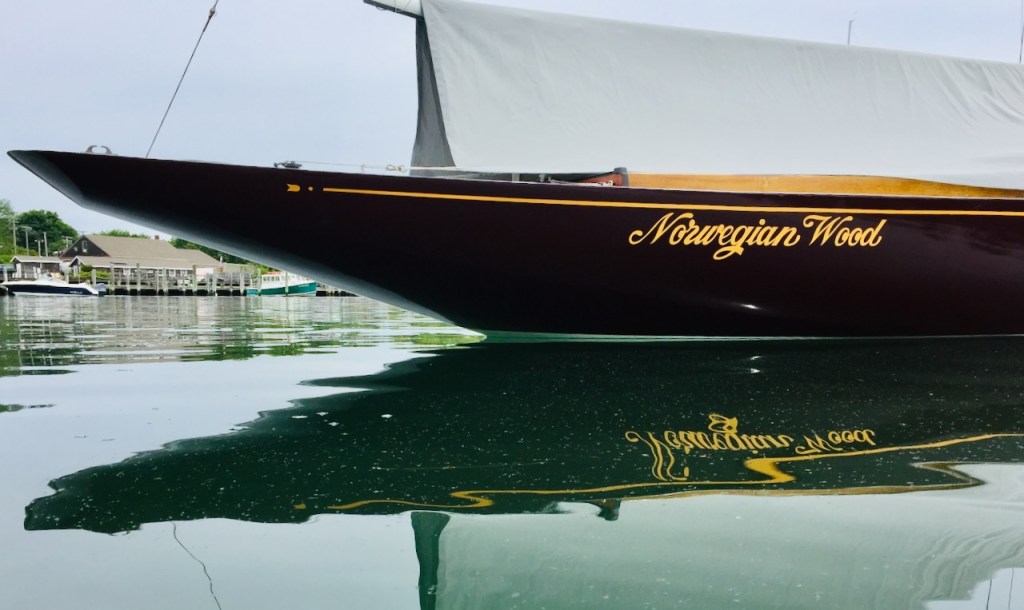
The creative act most on my mind lately is what I might term the “Four Phone Call Effect.” My friend Laurie Rubinow departed this earth far too soon at the beginning of January, and he left an enduring legacy. When he concocted a plan in late 1987 to share in the cost of buying a pretty International One-Design sloop, he may have thought he was simply keeping the sailboat racing with three others like it at our club. In fact what he was doing when he called me and three other sailors would change—and in many ways define—the lives of multiple generations of sailors, their families, and friends.
Establishing our ownership syndicate also affected the lives of sailors in a dozen other International One-Design racing fleets—sailors we came to count as friends, racing against them in six countries. Many would come to sail at our home club, as well. Of course, Laurie didn’t do it by himself—none of us did. But if you think about the single creative act of making four phone calls that launched our Norwegian Wood team and its ripple effect—not to mention 20 years of consistent effort by Laurie to make us the best team we could be—I’m startled once again to see the impact one creative person can have in this world. I’m also forever grateful.
Whether it’s your business, your pastime, or your next article, don’t hesitate to be bold, people!
 John S. Burnham